
· by Michael Blair, Nashville's Water Damage
Water is the most commonly disputed category in homeowners insurance, because policies distinguish carefully between sudden failures and gradual ones. The distinction is decided on evidence.
What water damage does homeowners insurance usually cover?
Sudden and accidental discharge — a burst supply line, a failed washing machine hose, a water heater letting go. That is the core of standard coverage.
Sewer backup is commonly an endorsement rather than standard, and surface flooding from outside requires separate flood coverage entirely.
What water damage is usually excluded?
Gradual leaks that could reasonably have been noticed. Damage from lack of maintenance. Damage in an unheated house in winter, which is a specific and commonly applied exclusion.
Mold is often capped at a low limit or excluded unless it results directly from a covered event and was mitigated promptly.
- Report promptly, the same day where possible
- Photograph and video before moving anything
- Keep damaged items until authorized to dispose
- Keep every receipt for mitigation work
- Mitigate immediately — failing to is itself a reason for denial
Mitigation is an obligation
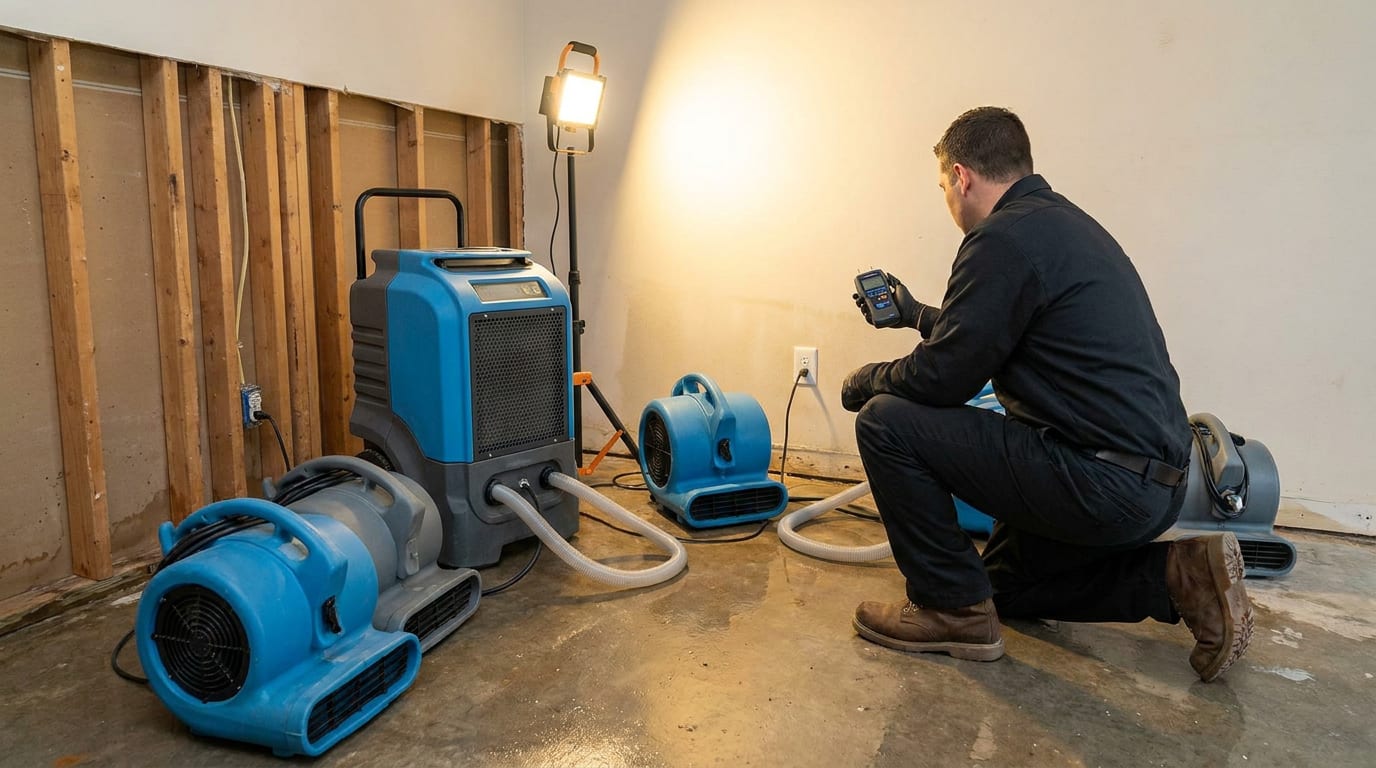
Policies require you to take reasonable steps to prevent further damage. Waiting for an adjuster before starting drying is a common and costly error, because the additional damage from waiting may not be covered.
Document the condition thoroughly first, then start drying.
If it is denied
Ask for the denial in writing citing the specific policy language, then read that language against what actually happened. Denials sometimes rest on an assumption about duration that photographs can rebut.
For larger disputes, a public adjuster works for you rather than the insurer, typically for a percentage.
FAQ
Making a Water Damage Claim Go Smoothly — questions
Should I wait for the adjuster before drying out my house?
No. Policies require reasonable mitigation, and damage that occurs while you wait may not be covered. Document thoroughly with photographs and video first, then start extraction and drying immediately. Keep all receipts, since mitigation costs are usually reimbursable.
Why was my water damage claim denied?
Most commonly because the insurer concluded the leak was gradual rather than sudden, or that the damage resulted from deferred maintenance. Ask for the denial in writing with the specific policy language cited. Photographs and a plumber’s account of the failure mode can sometimes rebut an assumption about duration.
Is flooding covered by homeowners insurance?
Surface flooding from outside the home is not covered by a standard policy and requires separate flood insurance. Water coming from inside the house, such as a burst pipe, is a different peril and generally is covered. Sewer backup usually needs its own endorsement.
When should I call my insurance company about water damage?
Call the same day where possible. Policies expect prompt reporting, and they also expect you to take reasonable steps against further damage, so photograph and video everything, then start drying without waiting for the adjuster. Keep every receipt for that mitigation work, because those costs are usually reimbursed.